


GLP-1
Weight loss with GLP-1 – Supplements
GLP-1 support for weight loss and before or after bariatric surgery
Want to lose weight and are using modern GLP-1 medications such as semaglutide or tirzepatide? Then targeted support with high-quality food supplements becomes especially important. Less appetite often means fewer nutrients. At the same time, certain nutrients can help you support your body during GLP-1 use.
Why supplement support with GLP-1 medication?
Whether you’re preparing for bariatric surgery, aiming for long-term weight stability afterward, or simply using GLP-1 as part of your weight-loss journey: good nutrient intake helps reduce the risk of deficiencies, supports energy, and helps preserve lean mass. Our carefully selected products are designed to support these phases – whether you’re just getting started or you already have experience with GLP-1.
Who are these products for?
- People losing weight with GLP-1 medications such as Ozempic, Wegovy, or Mounjaro
- As a pre-diet phase before bariatric surgery
- For stabilization after surgery – also in cases of weight regain
- Anyone who wants to lose weight in a healthy, sustainable way
Targeted support - what you can find here
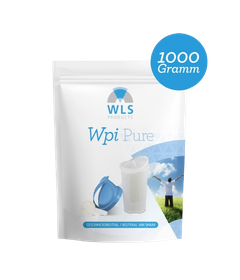
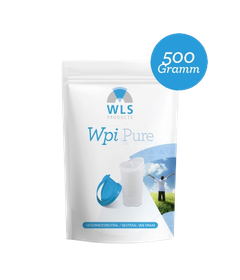
- Protein & amino acids – to help preserve muscle despite reduced appetite
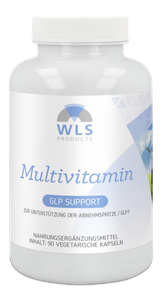
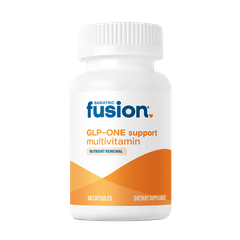
- Multivitamins & minerals – tailored to increased needs during dieting
- Fiber & gut balance – to support digestion and overall GLP-1 tolerance
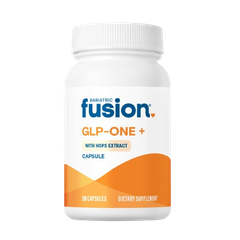
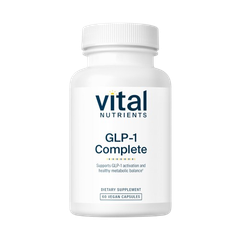
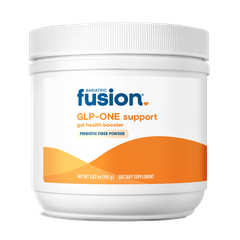
- GLP-ONE Support – a plant-based option as an alternative or add-on for appetite control
WLS Products – your partner for effective, healthy weight loss
Since 2004, we have supported people with specific nutritional needs – before and after bariatric procedures, with chronic complaints, or with the goal of sustainable weight loss. Our products are functionally dosed, quality-tested, and optimized for everyday use.
Frequently asked questions about GLP-1 & supplementation
Are GLP-1 medications alone enough for weight loss?
Not always. Without sufficient protein intake, lean mass can decrease. Fatigue, hair thinning, or mood changes can also occur when nutrient intake is too low.
How can I tolerate GLP-1 better?
Gentle digestive support and consistent nutrient intake help many people reduce nausea or constipation.
Is supplementation useful even without surgery?
Yes – especially if your calorie intake stays low for a longer period. Prevention is better than aftercare.
What happens if I eat too little?
A strongly reduced appetite can make it difficult to get enough protein, vitamins, and minerals. Over time, this can negatively affect your overall health.
Do I need extra protein with GLP-1?
Yes. Protein helps support your muscles, keeps you satisfied longer, and supports your body during weight loss. It’s especially important when weight loss is rapid.
Are there natural alternatives to GLP-1 medications?
Plant-based products such as GLP-ONE+ may help support the body’s own GLP-1 activity in a natural way – without injections.
Please note: These products are not medicines and do not replace medical treatment. They may only support GLP-1-related processes in a milder way and can be used as a supportive approach alongside an appropriate lifestyle.
How long should I take supplements?
As long as your diet is limited, one-sided, or strongly reduced. With long-term GLP-1 use, ongoing supplementation can be beneficial.
Are multivitamins enough on their own?
Not always. Depending on your individual needs, it may be useful to supplement targeted nutrients such as vitamin D, B12, iron, magnesium, or additional protein.
Does fiber help with side effects?
Yes. Fiber can help reduce constipation and support the gut microbiome, which may become unbalanced when eating less.
Can I use GLP-1 after bariatric surgery?
Yes – in consultation with your physician. Many people use it for support if they experience weight regain after surgery. In that case, nutrient intake becomes even more important.
Will GLP-1 completely switch off my appetite?
Not for everyone. Many people do report significantly less hunger – which can be helpful, but also increases the risk of inadequate nutrient intake if meals become too small or too infrequent.
How do I recognize a nutrient deficiency?
Typical signs include fatigue, brittle nails, hair thinning, poor concentration, or loss of muscle mass. If in doubt, speak with your doctor.